
Panama: Not a Tax Haven, Just a Haven
Planning a trip to Panama? From the Panama Canal and the San Blas Islands to the best beaches on the Pacific coast and the mountains of Boquete, here is our Panama travel guide, written by Nadège and Christophe, who have welcomed travellers at Villa Botero in Santa Clara since 2014.
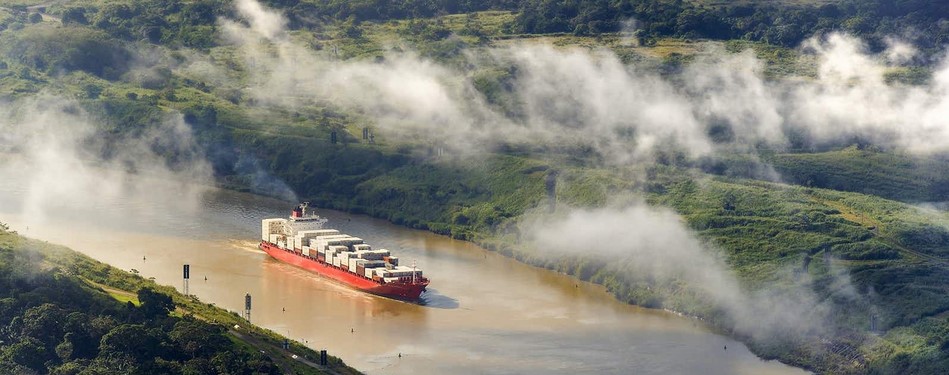
Panama at a glance
- Language
- Spanish
- Currency
- Balboa (coins) and US dollar (notes)
- Between the two oceans
- only 80 km
- Highest point
- Volcán Barú, 3,474 m
Why visit Panama?
Panama is a Central American country between Colombia and Costa Rica, on the Isthmus of Panama. Famous for being a tax haven, it is above all a true paradise for travellers!
Largely covered by rainforest, Panama is best known for the Panama Canal, which links the Atlantic to the Pacific. Its landscapes and wildlife are every bit as rich as those of its famous neighbour Costa Rica, with far fewer tourists and nearly 1,000 bird species.
It is the only country where you can swim in the Caribbean in the morning and in the Pacific in the afternoon. Islands such as San Blas, the Pearl Islands and Bocas del Toro line its coasts, while the centre of the country is mountainous. The road network is good, which makes Panama easy to explore by car.
The happiest place on Earth?
For several years in a row, Panama has been ranked the happiest country in the world, coming top of the Gallup Global Well-Being Index. According to Fortune magazine, Panamanians report plenty of daily happiness, smiles and laughter, without much stress or worry, helped by a strong economy, relative political stability and investment in national development.
A land of tropical beauty, abundant biodiversity and rich culture, with a calm, relaxed pace of life.
Panama City and the Panama Canal
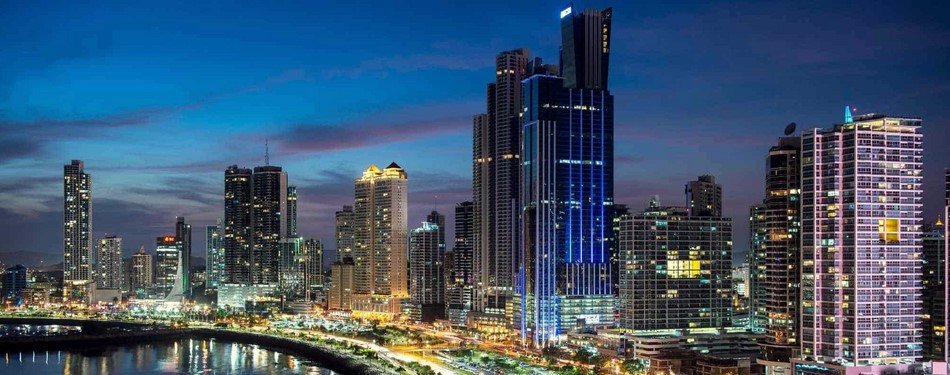
Panama City is a city of contrasts: on one side, Casco Viejo, the colonial old town listed as a UNESCO World Heritage Site, which looks like Havana; on the other, the modern skyline, which looks like Manhattan. You will see people in suits and ties next to Guna women in traditional dress.
The Panama Canal, opened in 1914 and expanded in 2016, is a must. Watching the ships pass through the Miraflores Locks from the visitor centre is unforgettable, even if you are not a fan of boats.
Panama's Caribbean coast: San Blas and Bocas del Toro
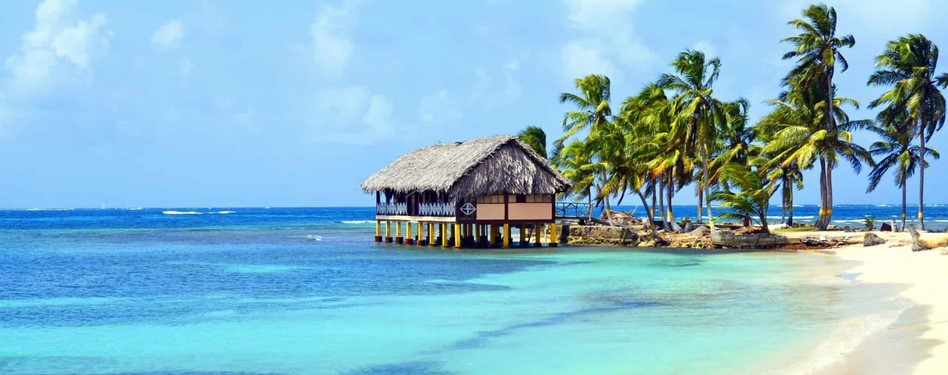
Still little developed, Panama's Caribbean coast is best known for its archipelagos, which are every bit as beautiful as French Polynesia.
The San Blas Islands
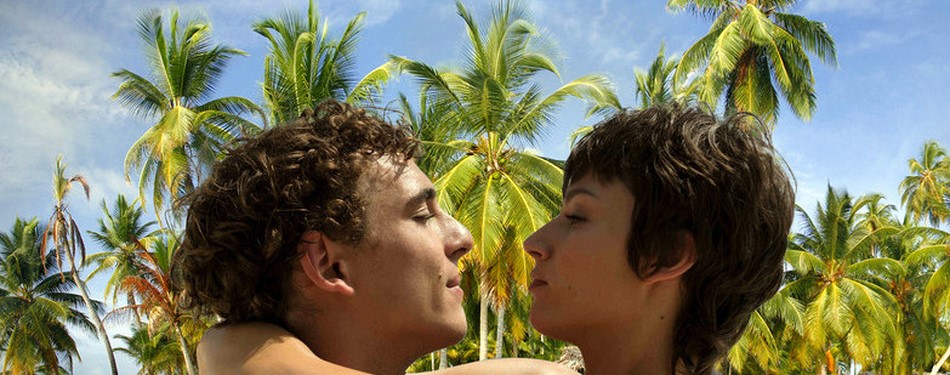
If you watch Money Heist (La Casa de Papel), this is where Tokyo and Denver settled. The San Blas Islands are postcard islands with white sand, palm trees and crystal-clear water, run by the indigenous Guna people, who keep a certain independence from the central government.
Spend a few days on one island or, even better, take a catamaran cruise to discover the many deserted islets.
Bocas del Toro
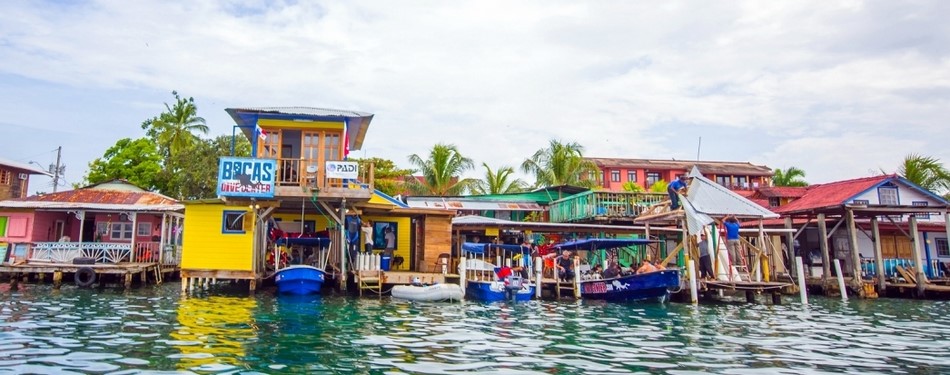
Close to the Costa Rican border, the Bocas del Toro archipelago is quite different from San Blas: the islands are bigger and covered in vegetation. Surfers love it, and the main island has a lively Caribbean atmosphere.
The sea beds are stunning, with plenty of starfish and dolphins, and the beaches are beautiful.
The best beaches on Panama's Pacific coast
Much more developed and easy to reach from Panama City, the Pacific coast is where you will find many of the best beaches in Panama. The area around Santa Clara, in the province of Coclé, is also one of the driest and sunniest in the country.
Santa Clara and Playa Blanca
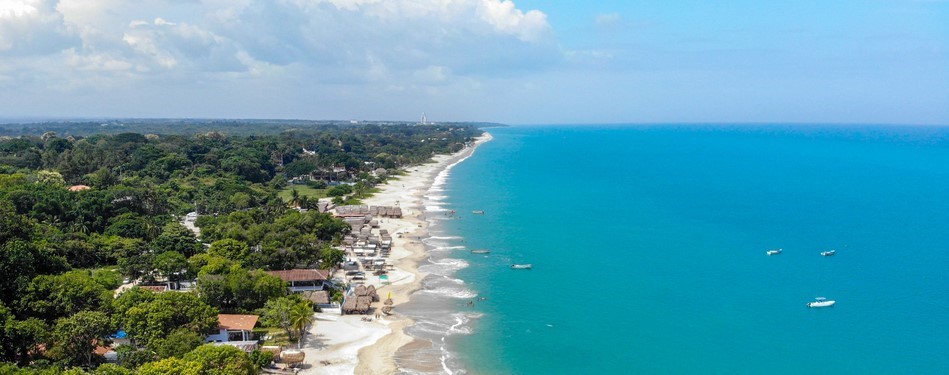
Playa Blanca and Santa Clara are long white-sand beaches on the Pacific Ocean. Playa Blanca is home to large all-inclusive resorts, while Santa Clara only has small, independent places to stay.
Santa Clara is the most beautiful beach on Panama's Pacific coast and stretches for more than 4 km, with a few restaurants and fishermen. For accommodation, Villa Botero by Casa Mojito is the best option: only 3 rooms and peace and quiet guaranteed, 800 m from the beach.
Punta Chame
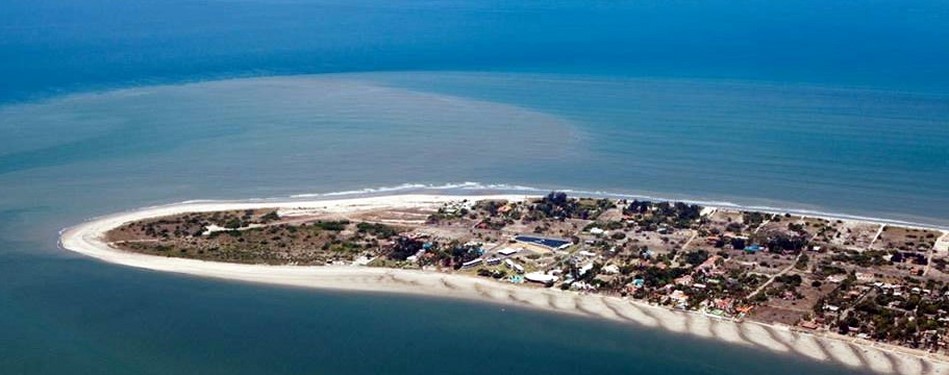
A kitesurfing hotspot, Punta Chame is a different kind of place, lost at the end of a peninsula with just a few hotels. Lots of birds on the beaches, but also quite a few jellyfish and rays: not the best place for swimming.
Pedasí and Playa Venao
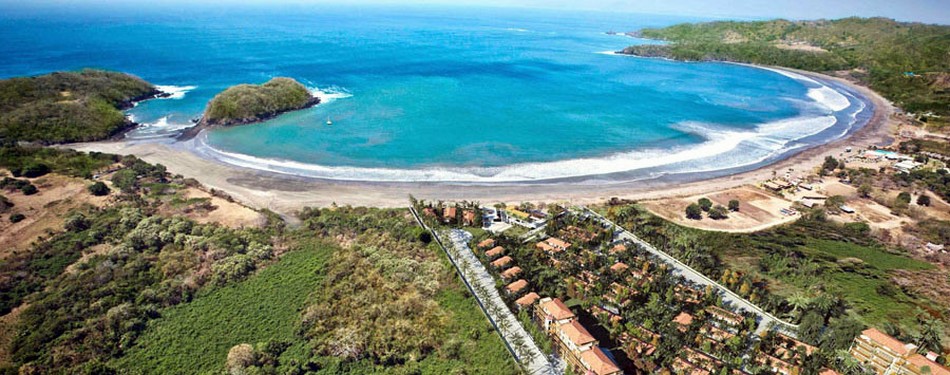
Pedasí is one of the prettiest villages in Panama, 30 minutes from Playa Venao, a famous surf spot.
Santa Catalina and Coiba
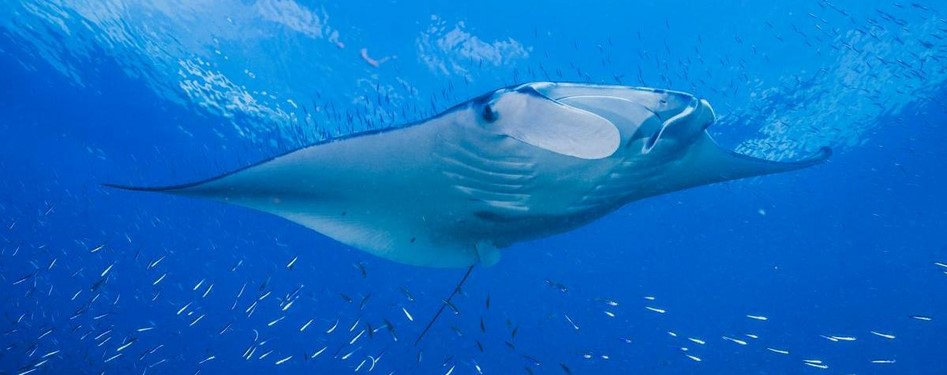
Santa Catalina is a small fishing village and the main departure point for trips to Coiba, a protected island in Coiba National Park, a UNESCO World Heritage Site, and one of the best places in the world for snorkelling and diving: colourful fish, turtles, sharks and manta rays.
Panama's mountains: El Valle, Boquete and Volcán Barú
When the coast gets hot, head for the hills: Panama's highlands are cooler, green and full of wildlife.
El Valle de Antón
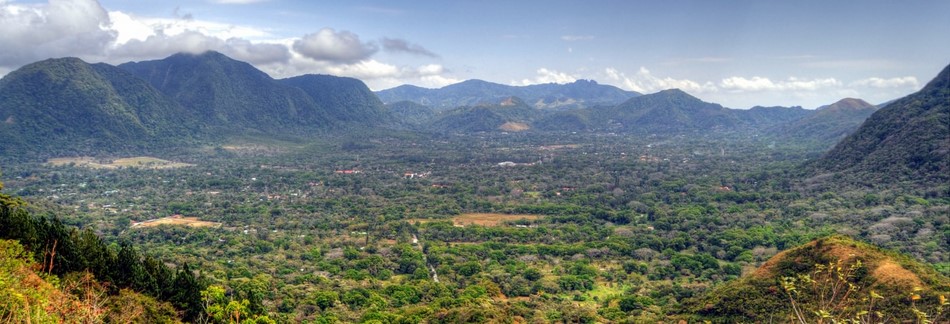
Set inside an ancient volcanic crater, El Valle is a must for lovers of nature, hiking and wildlife: many walks, a butterfly farm, a serpentarium, waterfalls and hot springs.
Boquete
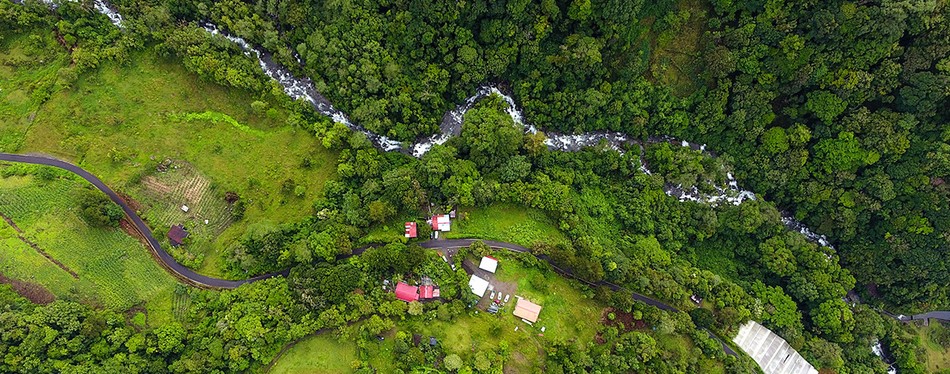
A mountain village where some of the world's most expensive coffee is grown, Boquete is also home to many American retirees looking for a cooler climate. A charming little town with good restaurants, beautiful jungle walks and lots of birds.
Volcán Barú
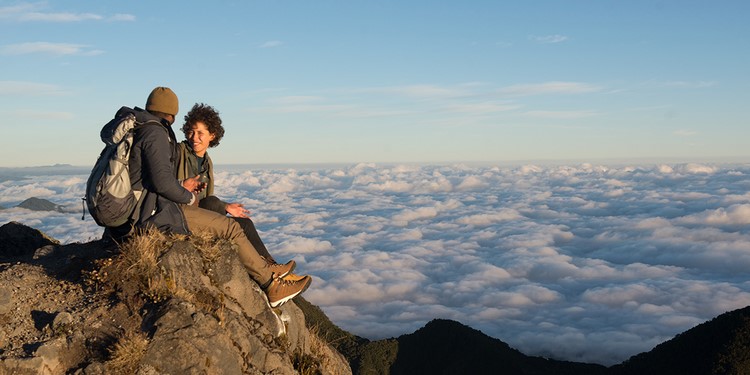
At 3,474 m, Volcán Barú towers over Panama. It is one of the only places in the world where you can see both the Pacific and the Atlantic Ocean. Be warned: the climb is tough and requires a very good level of fitness.
When is the best time to visit Panama?
The dry season runs from mid-December to April: sunny days, little rain and a light breeze on the Pacific coast. It is the most popular time to visit Panama.
The green season, from May to November, brings tropical showers, usually in the afternoon, lush landscapes and fewer visitors. The Pacific coast around Santa Clara stays one of the sunniest places in the country all year round.
How to get to Santa Clara from Panama City
Santa Clara is about a 90-minute drive from Panama City along the Pan-American Highway, and only 10 minutes from Río Hato international airport (Scarlett Martínez). From there, El Valle de Antón, Playa Blanca, Farallón and Punta Chame are all within easy reach for day trips.
See our things to do around Santa Clara, browse our rooms or contact us to plan your stay.
So, tax haven or just a haven?
As you can see, Panama is a beautiful country with exceptional wildlife and plants. Less famous than Costa Rica, with nature that is just as beautiful and far fewer tourists, Panama deserves to be better known. Don't wait any longer: Panama is waiting for you!
Frequently asked questions about travelling to Panama
What is the best time to visit Panama?
The dry season, from mid-December to April, is the most popular time to visit. The green season (May to November) brings afternoon showers but fewer tourists and lower prices.
What currency is used in Panama?
Panama uses the US dollar for banknotes and the balboa, which is worth the same, for coins. You do not need to change money if you already have dollars.
Where are the best beaches in Panama?
On the Caribbean side, the San Blas Islands and Bocas del Toro. On the Pacific side, Santa Clara, Playa Blanca and Playa Venao are among the most beautiful beaches in Panama.
How far is Santa Clara from Panama City?
Santa Clara is about 90 minutes by car from Panama City along the Pan-American Highway, and 10 minutes from Río Hato international airport.
Stay in Santa Clara
Villa Botero by Casa Mojito: 3 rooms, a pool and a homemade French breakfast, 800 m from Santa Clara beach.
Book direct See the rooms